free shipping - free premium gift wrapping on all paintings 12"x16" and under
Beyond Anatomy: How Working with Animals Taught Me to Oil Paint Presence
Oil painting animals with expression in mind
L R Wright
4/6/20263 min read
Copyright 2026 L R Wright - All rights reserved
Artists spend much time studying anatomy to understand exactly where the muscles sit. But as an animal trainer living on an acreage surrounded by horses, dogs, cats and the occasional headstrong goose or goat (and wild animals as well), I’ve learned to study something equally important: the intent behind those muscles.
For me, a painting only truly breathes when you capture the decision an animal makes just before they move. Whether it’s the subtle shift in a horse’s weight or the focused intensity in a dog’s eye, my art isn't just about capturing a likeness—it’s about translating the silent, expressive language of behavior into oil on canvas.
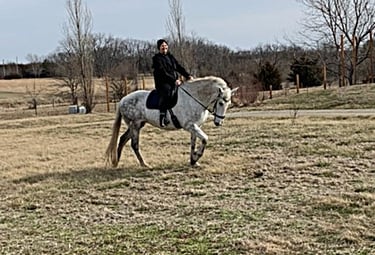
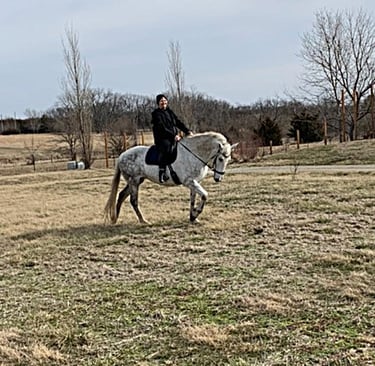
(Place photo here: You riding or working with an animal in a moment of connection)
The Tells: Reading the Split-Second Before the Move
To move beyond a "flat" expression, I paint the anticipation of an action. My time spent with everything from livestock and pets to wounded wild rescues has taught me that every muscle movement is a "tell." Whether it’s a warning or a burst of pure joy, these are the subtle cues I look for:
The Eye Tighten vs. The Bright Gaze: While a slight squint can signal intense focus before a lunge, there is a specific "wide-eyed" brightness that shows pure curiosity. Translating that glint into oil is what separates a static portrait from a living being.
The Eager Neck: The angle of a neck tells a whole story. A slight, forward reach often signals an animal’s eagerness to engage, whether it's a dog reaching for a toy or a horse greeting a friend at the fence or goose or duck wondering if you have a treat (although you have to watch these as sometimes they’re reaching to peck!).
The Split Focus: Painting one ear forward and one back shows conflicting thoughts—like a horse listening to its rider while also tracking a distraction in the brush. Dogs, cat, foxes etc. do this too.
The Joyful Stillness: There is a specific kind of quiet that happens right before a horse leaps into the air for no reason, or before a dog springs up to chase a dragonfly. Capturing that "held breath" creates a sense of kinetic energy on the canvas.
The Sudden Flare: A quick, sharp widening of the nostrils—even when the animal isn't out of breath—is a silent giveaway for surprise or a sudden burst of excitement.
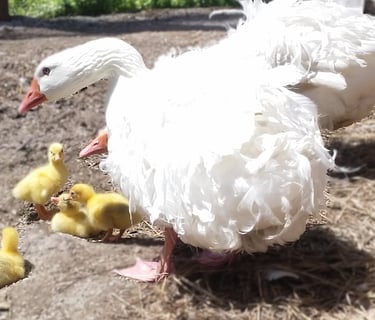
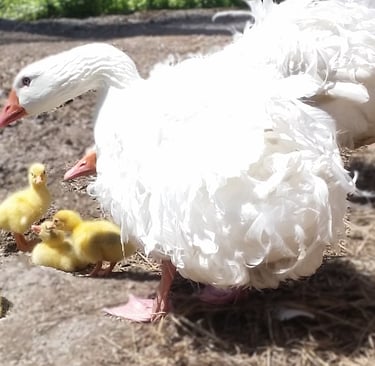
The Tail Tilt or Twitch: In birds like geese or turkeys, a subtle fanning or shifting of the tail feathers happens just a millisecond before they throw their weight forward into action. Cats and dogs twitch their tail (as well as many other creatures).
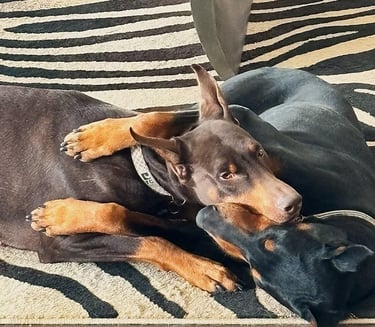
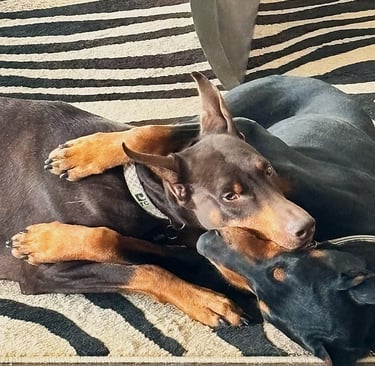
The Soft Corner: While a hardening of the mouth signals stress, a softening or slight "lift" at the corners of a dog’s jaw can translate as a smile of pure delight and a horse as well!).
Artist Tip: Oil painting the "Quiet Joy"
I’ll let you in on a little secret: sometimes, I "cheat." In the wild or on the farm, a moment of pure delight is often so fleeting that it vanishes the second the animal begins to move. To capture that spark, I have to borrow the expression from one moment and layer it onto a moment of stillness.
It’s about more than just a reference photo; it’s about memory. I might paint a horse standing perfectly still, but I’ll give him the bright, "dragonfly-chasing" eyes I saw him wear ten minutes earlier. By combining that joyful expression with a quiet posture, I can hold a feeling on the canvas that usually disappears in the blink of an eye. It’s not about being a camera—it’s about being a translator.
Ultimately, it is these tiny, intentional details that bridge the gap between the viewer and the subject. Every animal has a story of both survival and play, and those are the fleeting, honest moments I aim to translate with my brush. When those microexpressions are right, it makes it feel as though the animal isn't just being watched—it’s looking right back at you or it’s with you.